
What Eyewear Insiders Know That You Don't
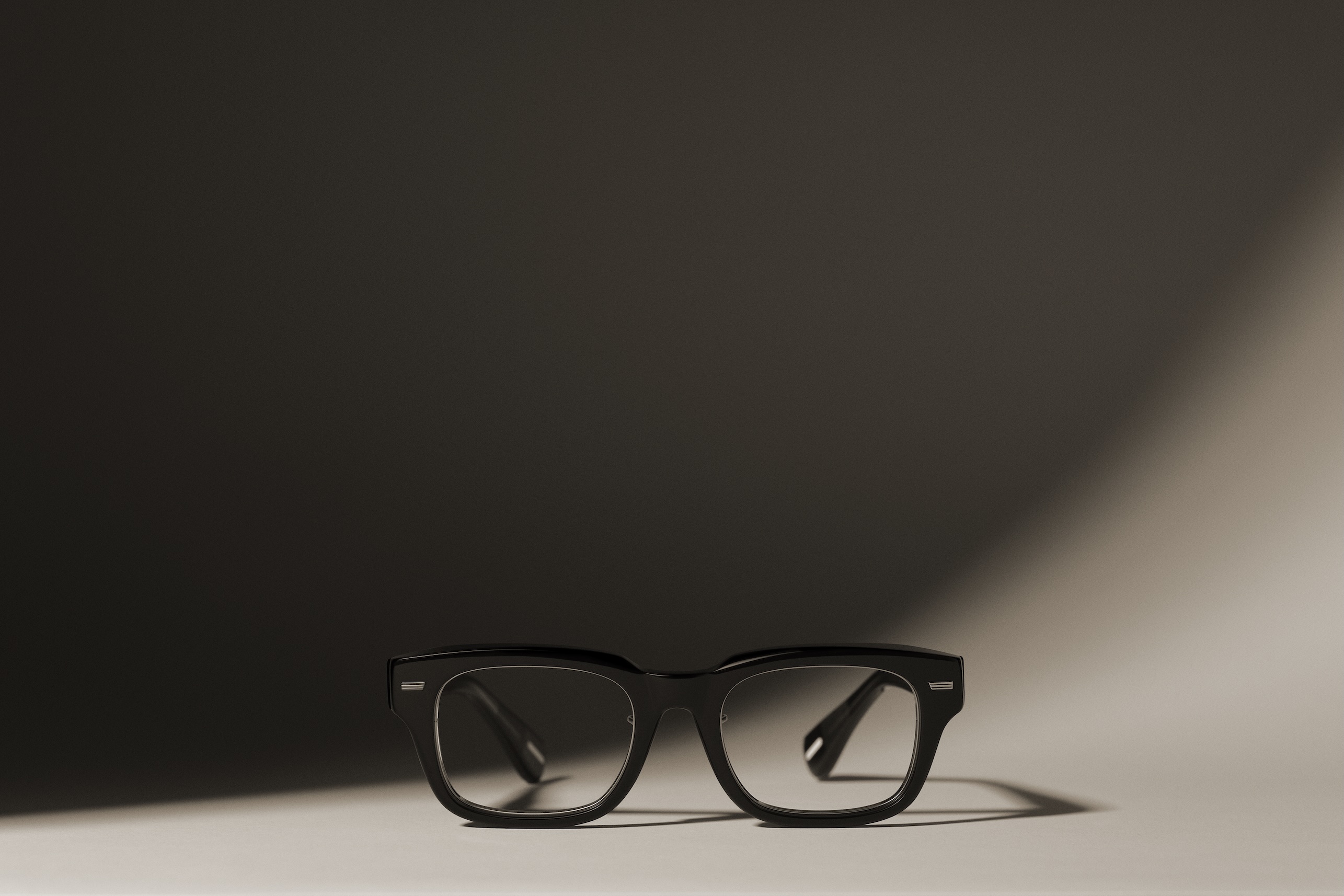
It's curious how we approach the one thing that never leaves our face. Your glasses become intertwined with how people recognize you, remember you, and judge you.
It's curious how we approach the one thing that never leaves our face. Your glasses become intertwined with how people recognize you, remember you, and judge you.

Ariel Resnik
20/01/2026

It's curious how we approach the one thing that never leaves our face.
Every morning, you carefully choose what to wear from a closet full of options. You own multiple pairs of shoes for different occasions. You think nothing of replacing clothes seasonally or when styles change. But your glasses? The same pair, every single day—front and center in every conversation, every photo, every moment that matters.
Yet this constant companion becomes part of who we are in ways we rarely consider. They become intertwined with how people recognize you, remember you, and—whether we like it or not—judge you.
So why, when choosing something that will literally frame our face every day, do we often prioritize price or brand recognition over what actually works for us?

Here's something most people don't realize: within the first 100 milliseconds of seeing a face, your brain processes glasses as a "cognitive anchor"—a primary reference point for how it remembers and evaluates that person.
This creates what researchers call the "glasses effect." People wearing frames are remembered more accurately and perceived as 12-15% more intelligent. Your glasses literally rewire how others' brains process you—creating an opportunity to shape that first impression.
The question becomes: are your frames leveraging this neurological advantage, or working against it?
Most "designer" frames come from the same handful of factories.
Walk into most high-end optical stores and you'll see a selection of different luxury brands, each with their own aesthetic story and premium price point. What you won't see is simpler. The vast majority of these frames rolled off the same production lines, manufactured by conglomerates through licensing agreements.
Different logos, identical origins.
This creates a peculiar irony. You're paying premium prices for mass-produced quality while displaying someone else's brand on your face—a brand that may have had little to do with the actual design or manufacturing of what you're wearing.
The quality tells the real story. That acetate feels thin and brittle, with a telltale plastic sheen that catches light in all the wrong ways. The finish wears unevenly, revealing the shortcuts taken in production.
Even the proportions feel generic—because they are, designed for maximum market appeal rather than individual harmony.
But the problems run deeper than quality alone. You start noticing the same frames everywhere. The exclusivity promised by the premium price dissolves when you realize you're wearing the same "distinctive" design as countless others.
Here's what's particularly insidious: poor craftsmanship has a way of announcing itself, regardless of the logo. People may not consciously identify what feels off about your frames, but they register the disconnect. The logo promises sophistication and exclusivity. The execution whispers mass production.
And that whisper becomes part of how you're perceived—subtly undermining the very image you paid to project.
Within the first 100 milliseconds of seeing a face, your brain processes glasses as a "cognitive anchor"—a primary reference point for how it remembers and evaluates that person.

The foundation lies in understanding how materials and proportion work together. When frames are crafted from premium materials—Japanese acetate, titanium—you feel it immediately. The material has weight and substance. Colors possess depth that seems to emerge from within rather than painted on the surface.
But even the finest materials mean nothing without proper proportion. The relationship between frame and face, where your eyes sit within the design, how the structure balances with your features—this foundational harmony determines whether premium materials actually enhance your features or simply look expensive.
When both elements align, everything else becomes possible.
This is where real artistry emerges. Understanding how these premium materials work with individual features becomes transformative. The way acetate's thickness creates clean lines that complement angular faces. How titanium's flexibility allows for temple adjustments that distribute weight perfectly. How the bridge sits naturally without constant adjustment.
When frames are truly crafted with this understanding, the effect is unmistakable.
They don't just sit correctly—they feel like they belong. The proportions enhance rather than compete. Others notice the harmony without quite knowing why.
Context matters because exceptional frames become a strategic choice. The frames that enhance a creative director's innovative edge might undermine a financial advisor's trustworthy authority. Understanding this distinction means using quality craftsmanship as a tool for intentional self-presentation—choosing how you want to be perceived and how you experience presenting yourself to the world.

There's a world most people never discover—where frames are still made the way they were meant to be.
It exists in workshops and ateliers scattered across Japan, Italy, and Europe, where designers obsess over details most people never notice. Here, frames begin as blocks of premium acetate, hand-shaped and polished until the material reveals its depth and character. Titanium components are engineered with tolerances measured in fractions of millimeters.
Walk into a curated eyewear boutique and you're encountering a different category entirely. Each frame represents months of development—perfecting the curve of a temple, balancing weight distribution, achieving proportions that enhance rather than overwhelm.
Here, what once seemed mysterious becomes recognizable. You begin to spot the telltale signs of authentic craftsmanship that most people walk past without noticing.
The difference is unmistakable once you know what to look for.
Weight that suggests substance, not bulk. Hinges that move with the precision of fine machinery. Edges finished to a smoothness that feels almost liquid under your fingertips.
When you find frames that align with both your understanding and your features, everything changes. Others notice something distinctive about your presence without being able to identify exactly what. The frames become part of your signature—announcing your discernment while enhancing your features.
This world exists. It simply requires knowing where to look.

Every morning, you reach for the same pair of frames. They become part of your face before you've even had coffee, accompanying you through every conversation, every decision, every moment that defines your day.
When you find frames that truly understand your features, your coloring, your presence, something unexpected happens. They don't just help you see the world more clearly.
They help the world see you more clearly.
The right frames—whether bold and commanding or quietly refined—create perfect harmony with who you are. They may make a statement or whisper elegance, but either way, they leave only the sharpest, most confident version of yourself behind. In a world where first impressions happen in milliseconds, this isn't just about eyewear.
It's about being unmistakably, authentically you.
Ariel Resnik
Founder & CEO, Glassworks
From the Magazine
Design, vision care, and culture — stories from the world of independent eyewear.
It's curious how we approach the one thing that never leaves our face. Your glasses become intertwined with how people recognize you, remember you, and judge you.

Vision is our most intimate relationship with the world—and like all relationships, it evolves. Around age 40, your eyes begin a new chapter.
Behind every luxury logo lies a question: what are you actually paying for? The answer might surprise you.
