
What Eyewear Insiders Know That You Don't
It's curious how we approach the one thing that never leaves our face. Your glasses become intertwined with how people recognize you, remember you, and judge you.
Behind every luxury logo lies a question: what are you actually paying for? The answer might surprise you.

Ariel Resnik
24/01/2026

Behind every luxury logo lies a question: what are you actually paying for?
The answer might surprise you.
The frames bearing prestigious names often emerge from identical production lines, crafted with the same materials, by the same hands. What changes is the story attached to them.
True luxury doesn't need to announce itself. It reveals itself through qualities that can't be faked, bought in bulk, or licensed to the highest bidder.
The question isn't whether you can afford luxury. It's whether you can see through the illusion.
That clarity starts with a single, uncomfortable truth about the industry itself.

The uncomfortable truth is simpler than you might expect.
Prada doesn't make Prada eyewear. Chanel doesn't make Chanel frames. Versace doesn't make Versace glasses.
Luxottica does.
A handful of conglomerates control the vast majority of luxury eyewear through licensing agreements that separate brand from craft entirely. Different logos, same factories, identical origins.
This isn't luxury. It's luxury theater.
The licensing model has transformed what was once artisanal craft into industrial brand management. Fashion houses provide logos; conglomerates provide everything else.
But understanding what's been lost helps us recognize what remains.
So what does authentic luxury actually look like?
It speaks a different language entirely.
In Japan, there's a concept called shibui—understated elegance that reveals its beauty through restraint rather than announcement. Japanese aesthetics offer a complete philosophy for understanding authentic luxury. Wabi-sabi finds beauty in imperfection—the way acetate develops subtle irregularities or titanium ages to reveal its story. Mono no aware transforms the temporary into the precious through appreciation of transience.
Consider how Masahiro Maruyama applies these principles. His frames celebrate asymmetry as artistry, transforming what mass production would consider flaws into distinctive character.
Each irregular line tells a story no machine could replicate.
Time becomes the ultimate luxury ingredient.
This philosophy transforms into process in workshops from Japan's Fukui prefecture—where 90% of the country's frames are handcrafted—to Italian ateliers where the bottega tradition lives on.
In Marseille, Yannick De Resbecq works alone in his atelier, using machinery sourced from the artisans of the Jura region.
Each De Fontaine frame emerges from this solitary dedication—individual pieces crafted with the patience of a medieval guild master.
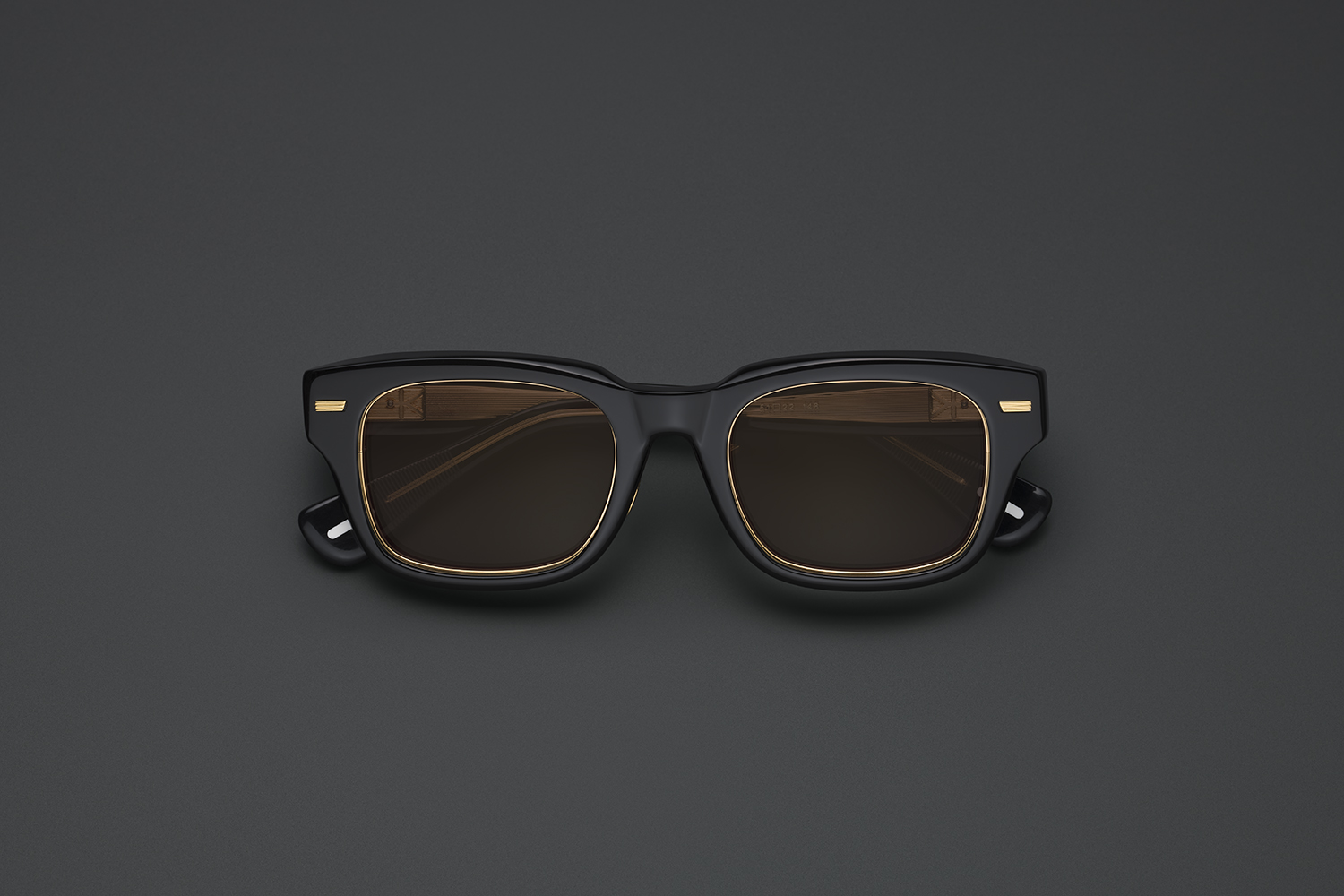
Master craftsmen spend months on a single frame, performing hundreds of manual operations that achieve precision beyond industrial capability. Acetate is cut from blocks of Mazzucchelli material, each piece revealing grain patterns developed over months of curing. Titanium bends to precise angles serving the wearer's unique geometry, then polished through multiple stages until it achieves a finish that seems to glow from within.
When KameManNen applies over a century of Japanese precision to titanium frames, each rivet placement, temple curve, and nose bridge angle reflects decisions passed from master to apprentice through generations of refinement.
When each frame requires months of skilled labor and represents decades of accumulated knowledge, scarcity emerges naturally—not from marketing departments, but from the constraints of human mastery itself.
But how do these ancient principles reveal themselves to the modern eye?
There's a moment of recognition that seems almost inevitable.
You pick up a frame and something registers immediately—not through analysis or comparison, but through direct contact. The weight feels right. The balance settles naturally.
The material has substance that speaks for itself.
Your fingers detect the difference before your mind processes what you're experiencing. Premium acetate has density and grain structure that warms naturally to touch—edges softer, as if considered rather than formed. Titanium resonates with clarity that speaks of purity and proper tempering. The hinges move with precision that speaks of individual calibration rather than standardized production.
Most people have felt this before, perhaps without realizing it. That slight pause when handling something genuinely well-made.
The way certain objects invite closer attention while others feel complete at first glance.
These moments happen because exceptional craftsmanship communicates directly with our senses. Materials chosen for their properties rather than cost feel different in your hands. Proportions that have been carefully considered look right in ways that are hard to articulate but impossible to miss.
The cultural principles don't create this recognition—they simply give it context. They explain why some things feel immediately exceptional while others, despite prestigious names or premium prices, somehow don't.
Quality has its own language.
Once you're listening for it, the conversation becomes clear.
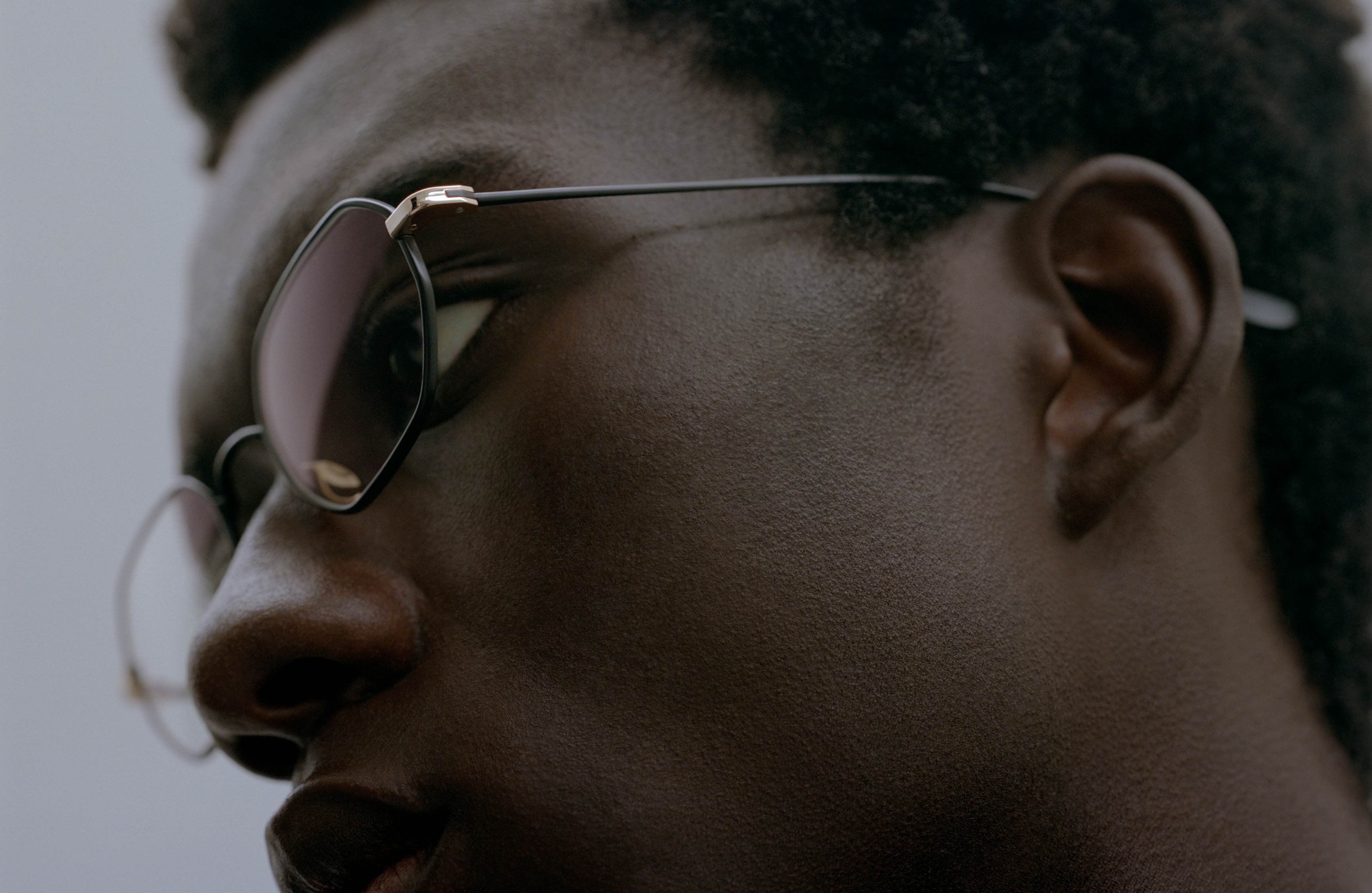
The shift is subtle but profound: from passive consumption to active curation. From accepting what's offered to designing what serves you. From luxury that performs for others to luxury that transforms your daily experience.
Consider Yuichi Toyama, whose frames embody everything we've discussed. Each piece emerges from his Tokyo atelier through careful contemplation and refinement.
He doesn't chase trends or license his name to conglomerates.
Toyama's approach reveals luxury's true nature. His frames feel inevitable once you wear them—not because they follow fashion, but because they follow function elevated to art. The proportions feel right because they've been considered from every angle.
The materials respond to daily wear through careful selection and quality. This is what the new luxury paradigm looks like in practice.
Artistry that speaks for itself. Design that serves purpose. Craftsmanship that honors both maker and wearer.
This evolution in thinking transforms the fundamental question. What you started with—what are you actually paying for?—has evolved into something deeper:
What kind of experience do you want to have with the objects that accompany your daily life?
The answer reveals itself in moments of quiet recognition. When you put on frames that feel like they were made for you specifically. When the weight distribution is so perfect you forget you're wearing them.
You've developed a new kind of literacy—one that reads quality through touch, recognizes authenticity through experience, and values substance over symbol.
The illusion no longer works on you.
But more than that—you've discovered something better. A way of experiencing luxury that's more satisfying than any logo could ever be.
A relationship with true craft that deepens rather than diminishes over time.
Your most discerning chapter isn't behind you.
It's just beginning.
Ariel Resnik
Founder & CEO, Glassworks
From the Magazine
Design, vision care, and culture — stories from the world of independent eyewear.
It's curious how we approach the one thing that never leaves our face. Your glasses become intertwined with how people recognize you, remember you, and judge you.

Vision is our most intimate relationship with the world—and like all relationships, it evolves. Around age 40, your eyes begin a new chapter.
Behind every luxury logo lies a question: what are you actually paying for? The answer might surprise you.
